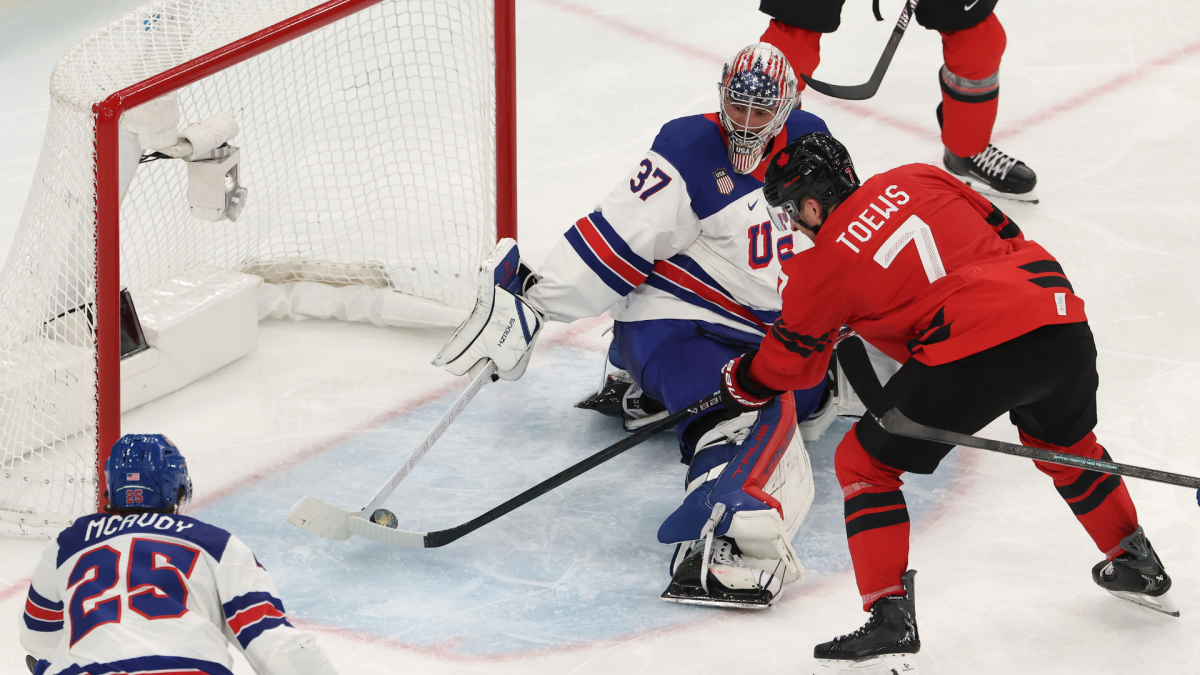
For many American sports enthusiasts, the story of the 1980 "Miracle on Ice" isn't just a historical event; it's a foundational myth. Though decades have passed since the underdog United States team stunned the Soviet Union en route to Olympic gold, the narrative of grit, determination, and national pride remains etched in the collective memory. It set a powerful precedent, fueling a lifelong dream for countless fans: to witness the men's hockey team usa once again reach the pinnacle of Olympic success in their lifetime.
The quest for that elusive gold has been fraught with moments of both near-misses and profound heartbreak. The stinging memory of Sidney Crosby's golden goal for Canada at the 2010 Vancouver Olympics, which dashed American hopes in overtime, serves as a poignant reminder of the fierce rivalry and the high stakes involved. The desire for a redemptive victory has only intensified over the years, making the recent triumph by the men's hockey team usa in Milan a moment of unparalleled excitement and national celebration for many.
A Golden Triumph, Followed by Lingering Shadows
When the United States men's hockey team secured a thrilling 2-1 overtime victory over fierce rival Canada, the euphoria was palpable. It marked the first Olympic gold for the U.S. in men's ice hockey since that legendary 1980 triumph, fulfilling a generational dream for fans across the nation. The scenes of on-ice celebration were everything one would expect from such a monumental achievement: hugs, cheers, and the sweet taste of victory against a formidable opponent. This was the moment fans had waited for, a chance to bask in the glory and reignite national pride in a sport where the U.S. often battles for international supremacy.
However, the narrative of unblemished glory quickly began to unravel following the initial celebrations. Leaked videos from the locker room circulated widely, showing FBI Director Kash Patel joining the team in their post-game festivities. Patel was seen celebrating and drinking with the players, a curious presence given the sensitive nature of his role, especially as the victory coincided with a security breach at President Donald Trump's Mar-a-Lago property, an incident the FBI was leading an investigation into.
Further controversy emerged from another video, where Patel held up a cell phone for a call with President Trump. During this call, an exchange unfolded that many found deeply disappointing. President Trump, congratulating the team, mentioned needing to invite the United States women's team – who also clinched gold against Canada – to the White House. The men's hockey team usa responded with laughter and cheers when Trump joked about being "impeached" if he didn't invite the women's team. This moment, intended perhaps as lighthearted banter, struck a sour note for many, casting a shadow over what should have been a universally celebrated achievement. For a deeper dive into the specifics of these events, explore Trump's Call, Patel's Presence: Inside the Men's Hockey Scandal.
The Uncomfortable Echoes of "Hockey Culture"
The post-victory conduct of the men's team, particularly the perceived dismissiveness towards their female counterparts, reignited broader concerns about "hockey culture." For many long-time fans, this wasn't an isolated incident but rather another symptom of recurring issues within the sport. The 2026 Winter Olympics, hosted in Milan and Cortina, was a historic achievement for the United States, which secured an unprecedented 12 gold medals – the most ever for the country in a Winter Olympics. Significantly, much of this success was driven by outstanding performances from female athletes.
Hilary Knight, for instance, cemented her legacy as the all-time leading point and goal scorer for the United States after her crucial tying tally in the women's gold medal game. Her achievements, and those of countless other women who excelled, stand in stark contrast to the locker room joviality that seemed to minimize the equally significant triumph of the women's team. This contrast illuminated a perceived gender disparity that many fans and observers hoped the sport had moved past.
Furthermore, recent years have seen the NHL grapple with its own cultural challenges. In 2023, several NHL players controversially declined to wear Pride Night jerseys, sparking widespread debate about inclusivity and acceptance within the league. Prior to that, the sport was rocked by a major scandal in 2021 concerning allegations of sexual assault, where members of the organization like Stan Bowman, Joel Quenneville, and Kevin Cheveldayoff faced scrutiny. The fact that some of these individuals have either retained their positions or found new roles since the news broke has led to ongoing criticism regarding accountability and systemic issues within hockey. These incidents, while not directly involving the Olympic squad, contribute to a broader perception of a "hockey culture" that struggles with issues of respect, equity, and modern social values.
Beyond the Rink: Political Echoes and Public Perception
The controversy surrounding the men's hockey team usa continued to unfold in the public sphere. President Trump welcomed the Olympic gold-winning team to the Capitol for his State of the Union address, amidst the growing backlash. Addressing the nation, Trump highlighted their achievement: "Our country is winning again... To prove that point, here with us tonight is a group of winners who just made the entire nation proud: the men's gold medal Olympic hockey team." The team entered the balcony of the House of Representatives, proudly flashing their medals, solidifying their place in a political spectacle.
While some viewed this as a fitting tribute to their athletic accomplishment, others saw it as a further entrenchment of the team in partisan politics, distracting from the pure joy of sport. The presence of the team at such a high-profile political event, coupled with the previous locker room incidents, fueled a discourse that moved beyond sportsmanship and into the realm of political alignment and public image. For a segment of the audience, the original triumph of the men's hockey team usa became entangled with, and arguably overshadowed by, off-ice behaviors and associations.
Reconciling Glory with Responsibility
The saga of the recent men's hockey team usa gold medal is a complex tapestry woven with threads of incredible athletic achievement and significant cultural missteps. It forces a critical look at the expectations placed on national athletes and the responsibilities that come with representing a country on the global stage. While the thrill of victory is undeniable, the aftermath highlights how quickly public perception can shift when actions off the ice fail to align with inclusive values or ethical conduct.
Insights for Teams and Organizations:
- Embrace Inclusivity: Celebrations, especially on a national level, should reflect and celebrate all achievements. Acknowledging the parallel success of the women's team with equal enthusiasm would have resonated positively.
- Media Training & PR: In an age of instant communication and viral videos, athletes and sports organizations must be acutely aware of how their private moments can become public. Comprehensive media training that extends beyond press conferences to understanding the implications of casual interactions is crucial.
- Leadership and Role Models: Athletes are often seen as role models, whether they seek that status or not. Teams and management have a role in fostering an environment where sportsmanship, respect, and awareness of broader societal values are paramount.
- Accountability: When issues arise, transparency and accountability can help rebuild trust. Addressing concerns directly and demonstrating a commitment to positive change is vital for long-term reputation.
The journey from the iconic "Miracle on Ice" to these recent events is extensively covered in From Miracle to Mar-a-Lago: USA Men's Hockey's Troubled Gold, offering a comprehensive look at the highs and lows.
The gold medal won by the men's hockey team usa was, without question, a moment of immense sporting glory. It was a testament to their talent, hard work, and the thrilling competitive spirit of ice hockey. Yet, the subsequent controversies raised uncomfortable questions about cultural alignment, respect, and the intersection of sports with politics and social issues. For many, the joy of victory was undeniably tempered by a sense of cultural disappointment, prompting a national conversation about what it truly means to represent the United States, both on and off the ice.